
Post Food Delivery War: Meituan, JD.com & Alibaba’s Strategic Focus on the Kitchen Sector
Article excerpt
Highlighted: the sentence this signal was extracted from
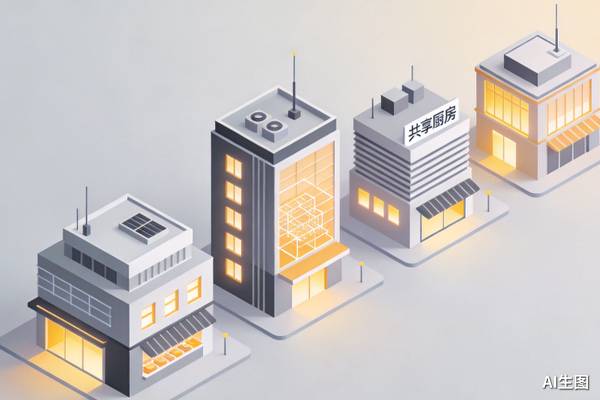
One year after the food delivery war, internet giants have shifted to a new battlefield. In November 2026, Taobao Flash Shopping, the instant retail platform under Alibaba, quietly hung up the orange signboard of "Jiwa Canteen" in four blocks of Qinghu, Dalang, Bantian and Minzhi in Shenzhen. In fact, it is not new for internet giants to march into the back kitchen. A year ago, Meituan had already launched Raccoon Canteen; JD.com laid out 7Fresh Mini Kitchen, extending its business tentacles from food delivery transactions to the catering production link. The specific practices of the three major platforms are different: Meituan attracts merchants to settle in by building a centralized shared kitchen; JD.com adopts the heaviest model, where the platform deeply controls links such as food ingredient procurement and cold chain transportation, and even provides equipment and cooking robots, while operation partners provide venues and are responsible for localized operation, and dish partners participate in dish R&D; Taobao Flash Shopping adopts the brand authorization model, where the platform outputs traffic and standards, grants merchants the right to use the "Jiwa Canteen" brand, and merchants take full responsibility for their own profits and losses. Whichever approach is adopted, it shows that the giants are not willing to only act as intermediaries that facilitate...
Keep reading with a free account
The rest of this article, and every signal for Alibaba, is in your free account.
