
HPE to launch AI straight to the Moon
Article excerpt
Highlighted: the sentence this signal was extracted from
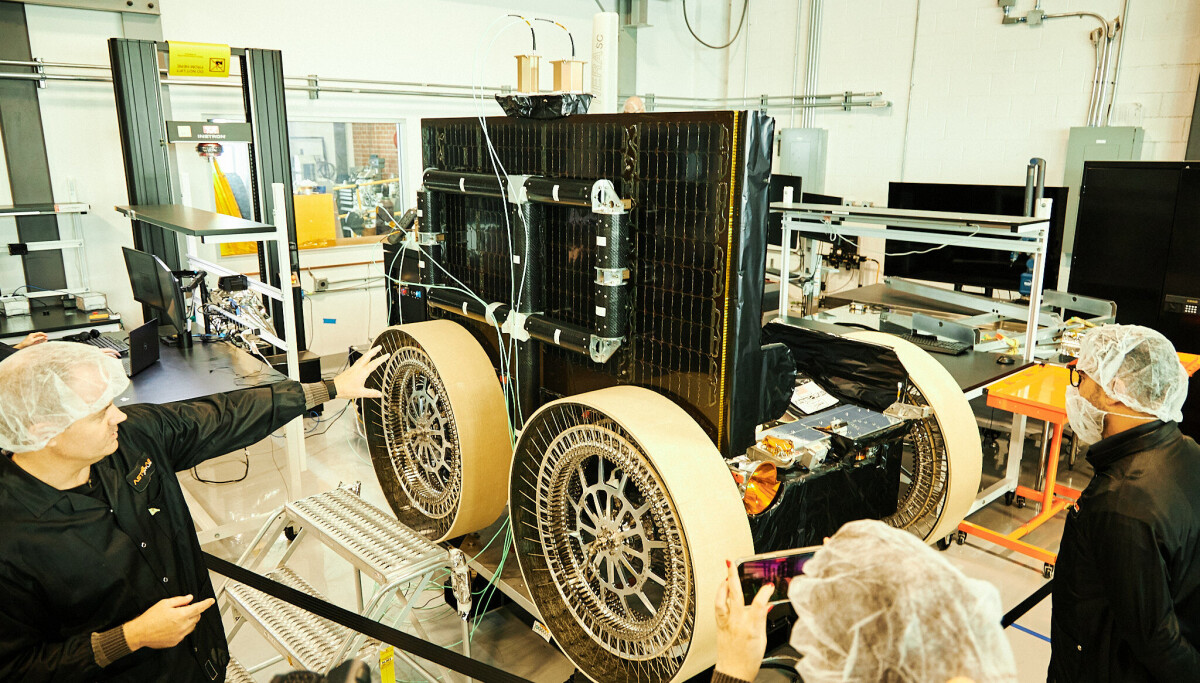
science Mystery silicon and mirrored SSDs set to touch down before year's end Forget space datacenters. Before the end of the year, Hewlett Packard Enterprise (HPE) will have AI running on the Moon. This isn't some exec's loony fantasy either. HPE has been building orbital compute platforms for the International Space Station (ISS) for years. Now, it's sending its fourth-gen Spaceborne Computer to the Moon aboard Astrolab's Flex Lunar Innovation Platform (FLIP) lunar rover. Part of NASA's Commercial Lunar Payload Services (CLPS) program, the rover is set to be deployed near the Moon's south pole by the Voyager Technologies Griffin-1 lander later this year. Assuming a safe landing on the surface, FLIP will serve as a test bed for a range of emerging technologies including HPE's latest space-faring compute platform. Specifically, Spaceborne Computer 4, which for the sake of brevity we'll just call SBC4, will carry out a number of AI and HPC-centric experiments during the rover's year long mission on the lunar pole. The actual silicon powering SBC4 is still a bit of a mystery. We're told the reason for the secrecy largely comes down to the high-risk nature of the mission. If the hardware fails, HPE's compute partner doesn't want their name tied to it. No guts but for the glory, we suppose, though Kioxia doesn't seem too worried. What we do know is that it is equipped with a...
Keep reading with a free account
The rest of this article, and every signal for HPE, is in your free account.