
How a photo of a person’s face could help predict whether they’ll survive cancer treatment
Article excerpt
Highlighted: the sentence this signal was extracted from
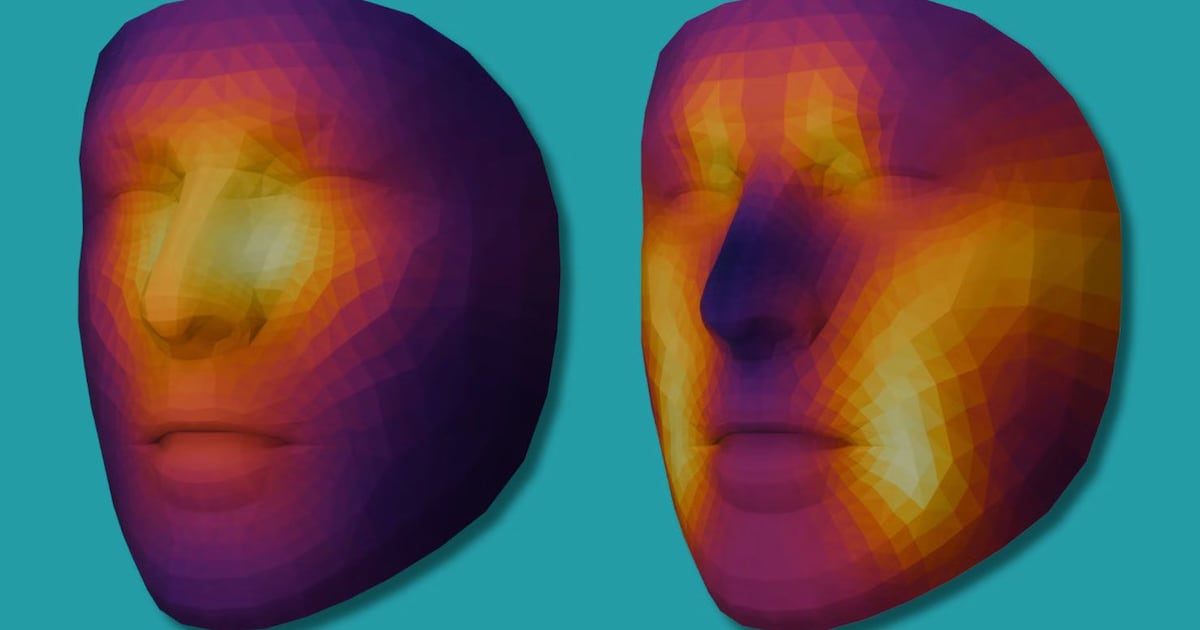
A simple selfie could hold surprising clues to your overall health and longevity, especially among people with cancer. Researchers at Mass General Brigham in Boston have developed artificial intelligence models that they say can predict a cancer patient's biological age and chances of survival using nothing more than a single photograph of their face. The research, published Monday in the journal The Lancet Digital Health, suggests that facial analysis could become an additional tool for doctors to consider when evaluating a patient's chances of survival and when deciding which treatment approaches may work best for their cancer patients. "I was pretty surprised to find out that we could pick up signs of mortality risk from just a facial photograph," said study author Dr. Raymond Mak, a radiation oncologist at Mass General Brigham Cancer Institute and a faculty member in the Artificial Intelligence in Medicine program at Mass General Brigham. The AI models – trained on more than 40 million facial images – specifically assess different aspects of the face to gauge a cancer patient's overall health and biological age. Unlike chronological age, which measures the number of years a person has lived, biological age reflects how well the body has aged at the cellular and physical level. "The age estimation algorithm is looking at the area around the temples, the area on the...
Keep reading with a free account
The rest of this article, and every signal for Mass General Brigham, is in your free account.