
Stellantis is teaming up with Mobileye to integrate its REM technology
Article excerpt
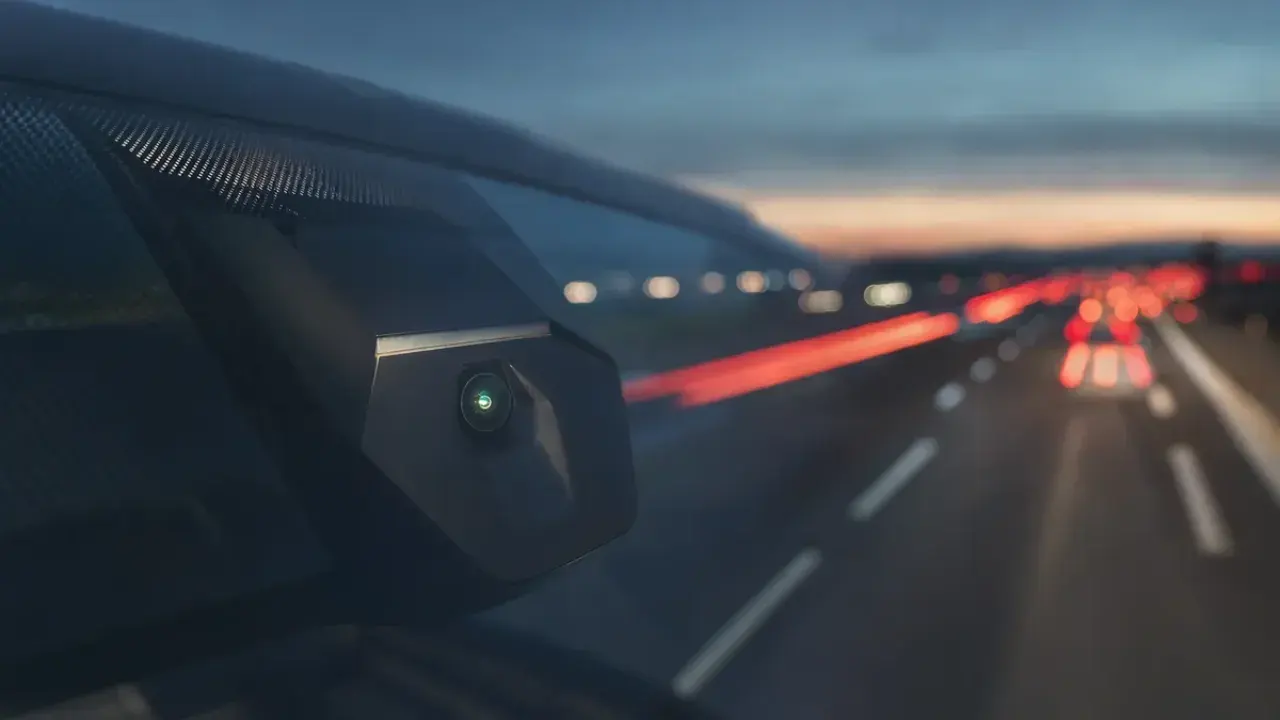
Starting in 2027, Stellantis is teaming up with Mobileye to integrate its Road Experience Management (REM) technology. But before you get too excited and start planning naps during your morning commute, let’s be crystal clear about what this actually is, and what it definitely isn’t. Rather than bolting on a dozen extra radar dishes or hoping for a miracle, the heart of Mobileye’s system relies on the front-facing cameras already tied to EyeQ processors. As you drive, these cameras act as relentless digital spotters, cataloging lane boundaries, horizontal road markings, sudden construction detours, and shifting lane layouts in near real time. That data is beamed straight to the cloud, processed by algorithms, and spat back out as dynamic, living digital maps. Instead of relying on static GPS software that thinks a detour from three years ago is still active, your car gets a hyper-localized, minute-by-minute breakdown of the asphalt ahead. The promise? Much smoother lane-keeping and far less sketchy hands-free assistance. US drivers won’t have to wait until 2027 to see the early stages, as select Stellantis models are slated to test the tech as early as next year. How broadly it spreads across Fiat, Jeep, Peugeot, Alfa Romeo, and Chrysler will ultimately boil down to platform specs, hardware architecture, and corporate brand strategies. Yet for a legacy conglomerate, this...
Keep reading with a free account
The rest of this article, and every signal for Mobileye, is in your free account.
Extracted from this sentence
With this deal, Mobileye now counts five of the world’s top ten automakers as clients, with its REM platform already mapping over 95 percent of public roads in the US and Europe thanks to data harvested from over eight million vehicles.