
Okta builds shared architecture for agent runtime security
Article excerpt
Highlighted: the sentence this signal was extracted from
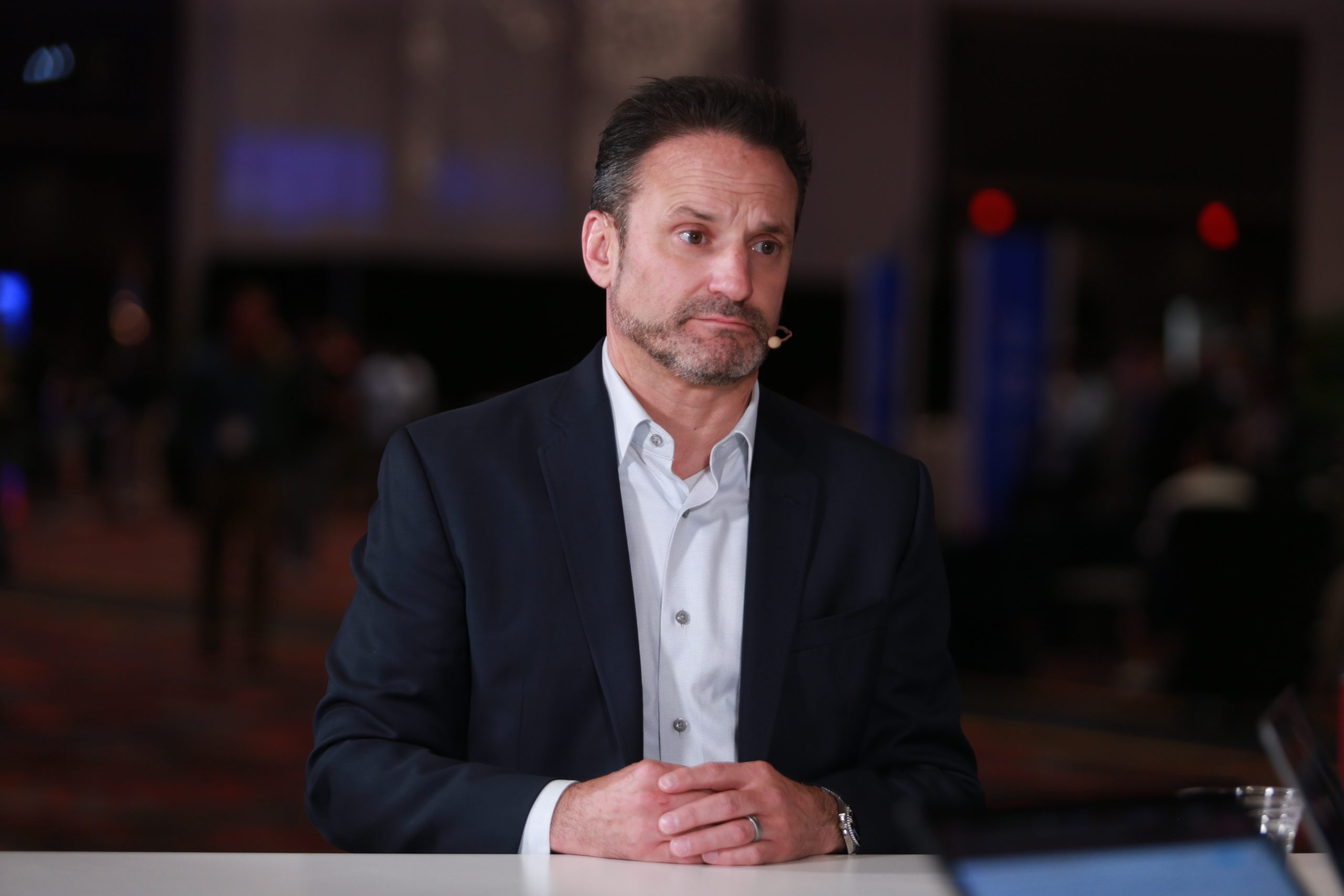
Agent runtime security requires controls across the technology stack as enterprises move AI agents into production. This week, Okta turned its agent security framework into a multivendor reference architecture through the Blueprint Alliance. The effort is intended to help buyers navigate competing vendor claims, according to Eric Kelleher (pictured), president and chief operating officer of Okta. "One of the challenges companies have in navigating this is [that] every technology vendor they talk to from every component of the stack is telling them that they're the one-stop shop that's going to fix everything," he said. "So, the biggest challenge that we have in talking to our customers is helping them navigate the confusion of understanding how to think about the problem, how to secure AI in a way that's simple." Kelleher spoke with theCUBE Research's Krista Case and co-host Rebecca Knight at Okta's Oktane event, during an exclusive broadcast on theCUBE, SiliconANGLE Media's livestreaming studio. They discussed how the Blueprint Alliance brings identity and security signals together to monitor agent behavior and guide responses to risk. (* Disclosure below.) The Blueprint Alliance architecture distills agent security into four questions: where agents are, what they can do, what they are doing and how to respond. Okta layers its identity signals atop endpoint and network...
Keep reading with a free account
The rest of this article, and every signal for Okta, is in your free account.