
TE Connectivity Unveils 3D Printing Process for Medical Catheters
Article excerpt
Highlighted: the sentence this signal was extracted from
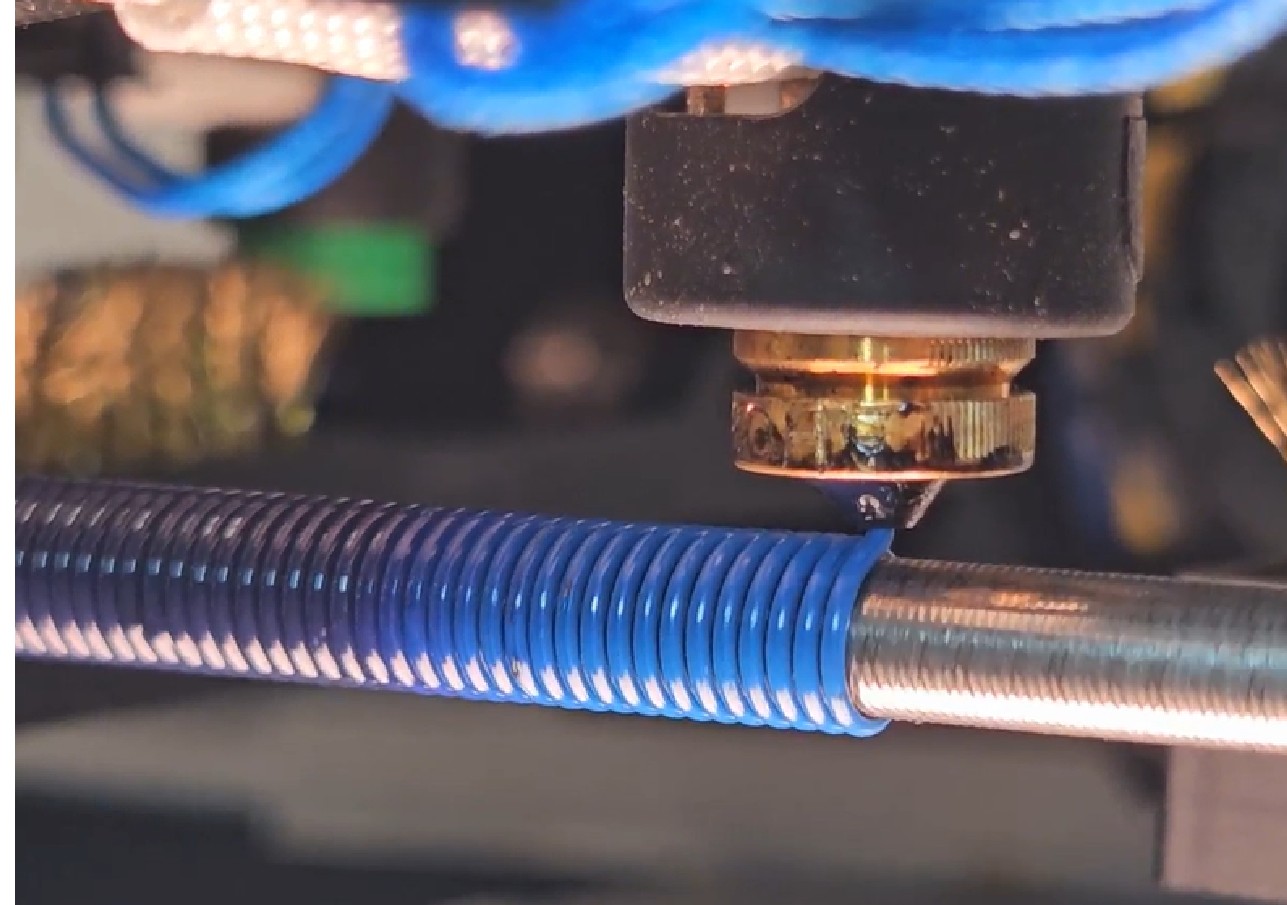
Connector manufacturer TE Connectivity now uses 3D printing for catheter shafts. These medical device components are now lower in cost thanks to additive manufacturing. Catheters are often coated in polymer jackets, with different thicknesses, lengths, and materials being used at different areas of the catheter. TE's Advanced Technology Group at their Galway, Ireland-based PROPELUS Prototype Center decided to develop a specific process to print on the catheter itself as the catheter is rotated. The resulting process uses less material and is quicker while part properties and looks are kept the same. Production is more flexible; more iterations can be made, while greater design freedom could lead to entirely new catheter designs and functionalities. Propelus Prototype Center. Image courtesy of TE Connectivity. Pat Duane, senior vice president of TE's Medical business, said, "This work reflects TE's continued focus on advancing manufacturing innovation to help our customers develop increasingly sophisticated minimally invasive medical devices,. We believe additive manufacturing technologies have the potential to expand design possibilities, accelerate development and support the future of catheter manufacturing." Medical Engineering Fellow Bernard McDermott added that, "This process, along with complementary disruptive processes in development, will result in a paradigm shift...
Keep reading with a free account
The rest of this article, and every signal for TE Connectivity, is in your free account.