
Record beef prices are minting fortunes for ranchers - but straining the American farmers who fatten their cattle
Article excerpt
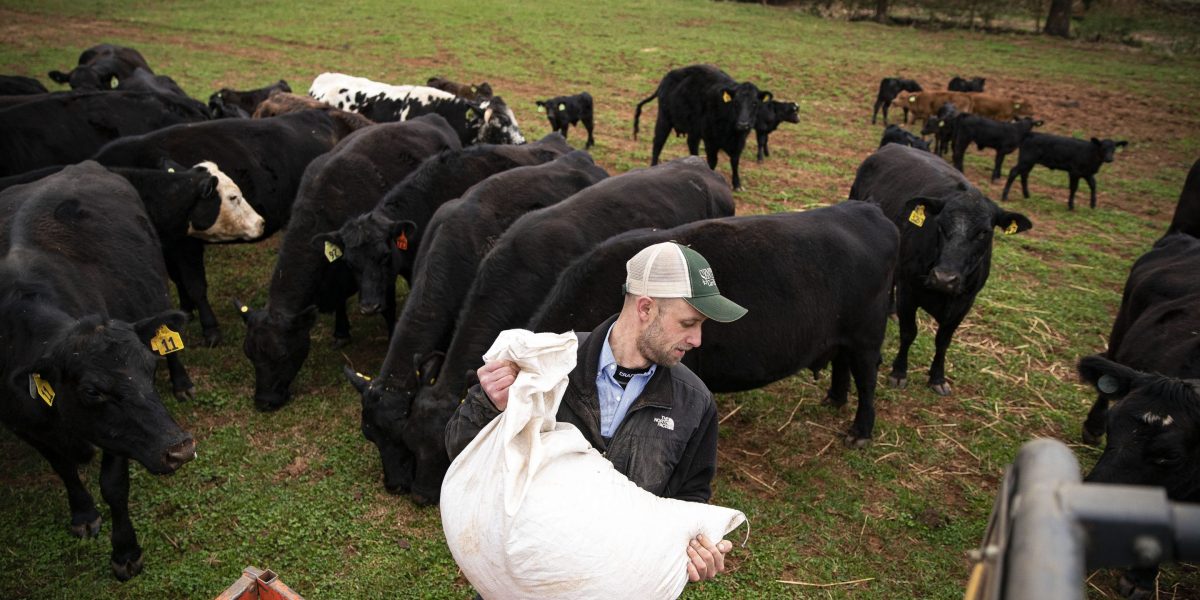
Last week, Tyson Foods CEO Donnie King offered investors a sobering report on beef prices: “Beef hasn’t performed the way we expected,” King said during an earnings presentation, “and we’re not pretending otherwise.” These soaring prices have not just left meatpacking giants like Tyson looking for answers - they’ve impacted the entire cattle industry. And while some sectors like feedlot farmers are beginning to reel from dwindling inventories, others like ranchers are being minted as the major winners. The Bureau of Labor Statistics latest consumer price index data indicates beef prices have soared 11.8% in the last year, including 1.2% on a monthly basis in June. Ground beef prices are up 12.4% year-over-year, and beef roast prices have increased even higher, up 13.8% from a year ago. While a natural cattle cycle shifts inventories roughly every decade, leading to ebbs and flows in beef prices, the current herd sizes are the smallest they’ve been since 1951 as a result of severe droughts drying up pastures, as well as the spread of flesh-eating screwworms limiting cattle imports from Mexico. The tight supply means those at the foundation of the cattle industry are seeing profits grow. Cow-calf ranchers, who raise permanent herds of mother calves to sell for beef, produce the supply of cows for the entire industry and have been able to hike prices. Prices for feeder calves...
Keep reading with a free account
The rest of this article, and every signal for Tyson Foods, is in your free account.
Extracted from this sentence
Last week, the Arkansas-based food producer saw a $138 million operating loss on its beef segment, and sales volumes in the segment dropped 15.9%, while prices rose 12.1%.