
Article excerpt
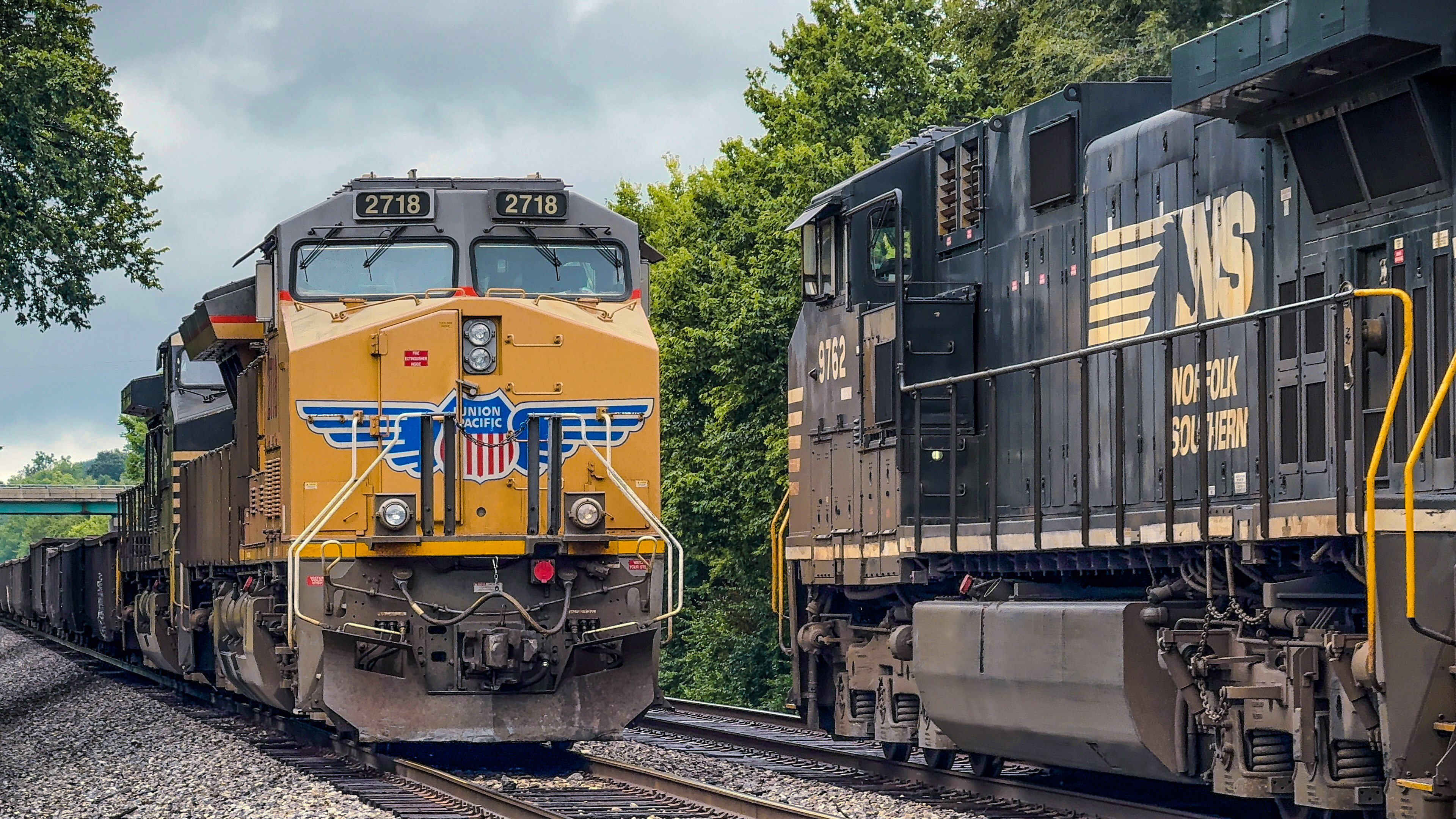
Overseeing Union Pacific's operations, I've seen firsthand how geopolitical risk, COVID-era disruptions and policies aimed at strengthening domestic manufacturing are reshaping global supply chains. I've also seen what happens when transportation networks aren't built to meet new demands, and what is possible when they are. Since the pandemic, we've made significant changes across our network to improve service, increase resiliency and better position our customers to respond to changing market demands. Those experiences reinforced a simple lesson: supply chains work best when unnecessary complexity is removed. That's why Union Pacific and Norfolk Southern are working to create America's first transcontinental railroad. By eliminating unnecessary handoffs, we can help American businesses move goods more efficiently, compete more effectively and reach new markets. In a global economy where speed and reliability matter, those advantages can be the difference between winning and losing. Supporting Domestic Manufacturing According to the nonprofit Reshoring Initiative, plans for more than 500,000 U.S. manufacturing jobs were announced in 2023 and 2024 as companies expanded domestic production. But manufacturing growth depends on efficient supply chains that connect factories with suppliers, customers and global markets. I hear that reality directly from manufacturers who rely...
Keep reading with a free account
The rest of this article, and every signal for Union Pacific, is in your free account.
Extracted from this sentence
If our merger is approved by the Surface Transportation Board (STB), we will invest an additional $2 billion in new track, terminal capacity, rail yards and technology to support customer growth, ensure a smooth integration and strengthen the freight network for decades to come.