
Philips Wins $33.7M ARPA-H Award to Scale Autonomous Robotic Thrombectomy
Article excerpt
Highlighted: the sentence this signal was extracted from
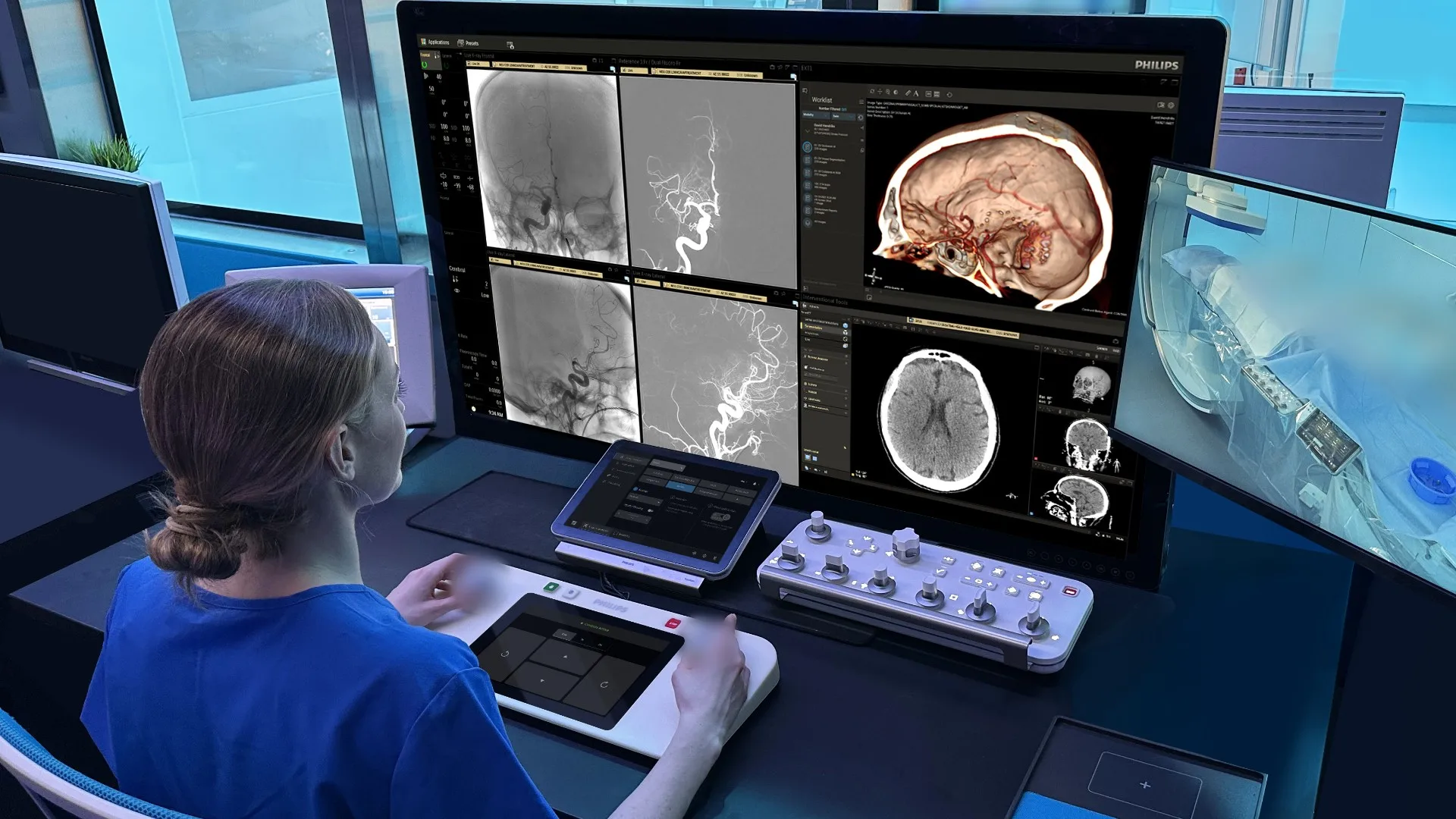
In acute ischemic stroke, "time is brain." When a large-vessel occlusion cuts off cerebral blood flow, approximately 1.9 million neurons die every minute the vessel remains blocked. Mechanical thrombectomy - a catheter-based procedure that physically navigates the neurovasculature to retrieve the clot - is among the most effective interventions in modern medicine, frequently reversing severe neurological deficits. However, the procedure suffers from a severe geographic bottleneck. In the United States, approximately 335,000 patients qualify for thrombectomy each year, yet only 12% ever receive it. More than half of the U.S. population lives over an hour from an advanced comprehensive stroke center capable of performing neurointerventional procedures. On a global scale, the disparity is even starker: fewer than 3% of eligible patients with large-vessel occlusions receive mechanical thrombectomy. Because transferring an acute patient to a distant tertiary facility often consumes the critical therapeutic window, thousands of patients are left with permanent disability or die simply due to proximity constraints. To dismantle these physical barriers, ARPA-H selected Philips to lead an initiative under its Autonomous Interventions and Robotics (AIR) program to engineer remote-assisted, supervised autonomous endovascular surgery. The ARPA-H project unites medical device...
Keep reading with a free account
The rest of this article, and every signal for Philips, is in your free account.